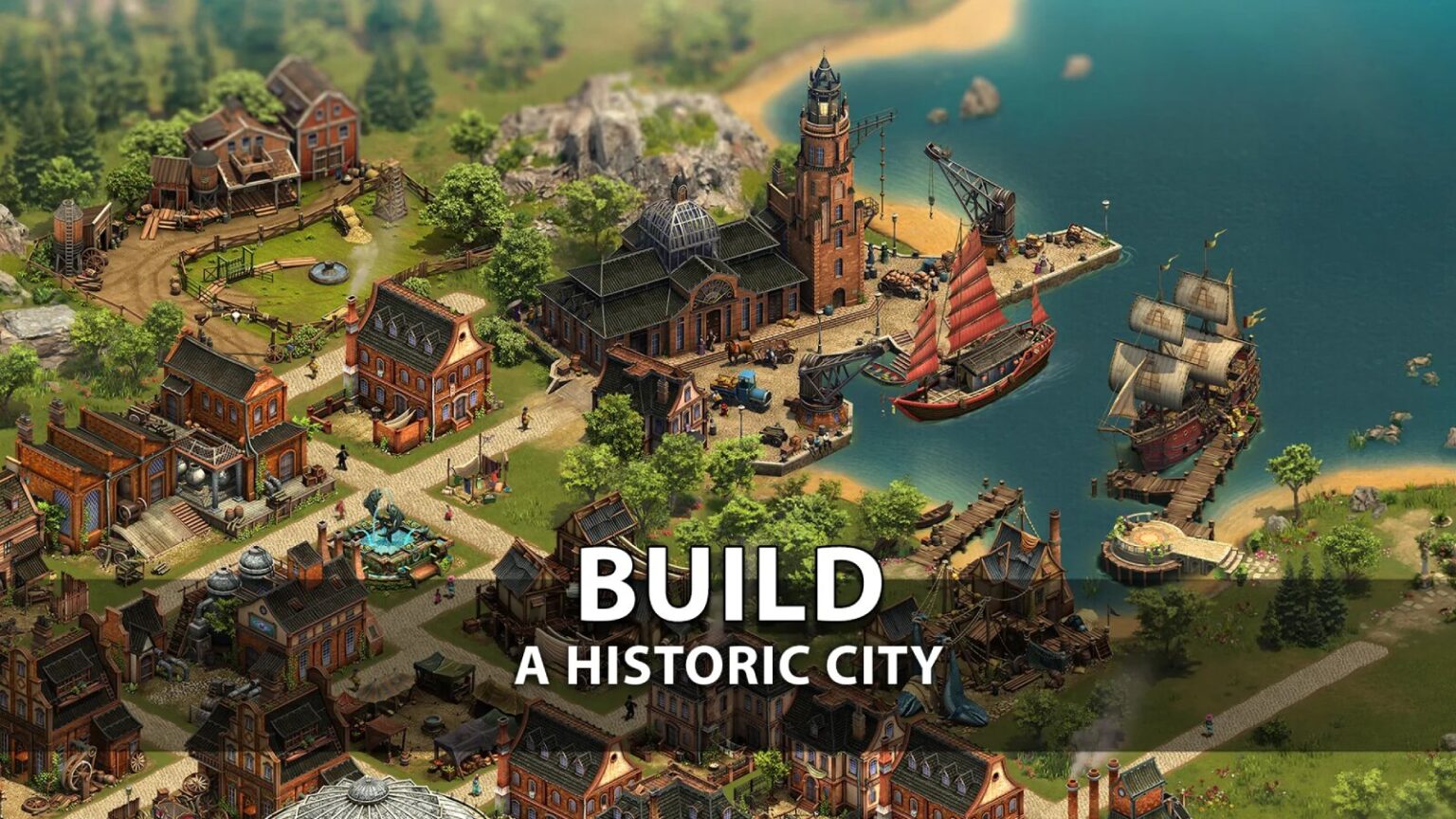
Most city building games don’t teach urban planning—they test your patience with broken traffic AI and illogical resource chains. But the best Steam city building games do more than entertain: they simulate real urban dynamics, reward smart design, and create emergent stories through infrastructure and civic decisions. If you’ve ever stared at a gridlock of buses wondering why your transit system collapsed despite "logical" placement, you're not alone—and you're playing the right genre.
This list cuts through the noise. These are the Steam city builders that deliver depth, polish, and replay value—without relying on shallow aesthetics or early access gimmicks.
Why Steam Dominates the City Building Genre
Steam remains the go-to platform for city builders because of its support for modding, long-tail indie titles, and community-driven feedback loops. Unlike console-focused franchises, PC-based city simulation thrives on complexity. Steam lets developers iterate over years, often turning early access experiments into polished masterpieces.
More importantly, Steam’s ecosystem supports niche appeal. While AAA publishers shy away from slow-burn urban sims, indie studios on Steam can target hardcore planners and casual architects alike—often refining gameplay based on direct player input.
The result? A diverse library where pixel-art towns coexist with photorealistic metropolises, all governed by surprisingly deep simulation engines.
Cities: Skylines – The Modern Benchmark
No discussion of city building on Steam starts anywhere else. Cities: Skylines set a new standard when it launched in 2015—not because it reinvented the wheel, but because it fixed what SimCity (2013) broke.
What Makes It Stand Out
- Massive buildable area: Up to 25 tiles, allowing true megacity development.
- Traffic AI that matters: Roads aren’t just cosmetic—vehicle routing affects everything from emergency response to pollution.
- Unrivaled mod support: The Steam Workshop hosts over 400,000 mods, including realistic population density adjusters, road tools, and transit overhauls.
Real-World Tip: New players often over-zone residential early. Instead, focus on balanced zoning and utility placement. Let demand grow organically—otherwise, you’ll face abandoned buildings and tax shortfalls.
Limitation: The game’s economy is simplified. There’s no real supply chain depth—factories don’t depend on raw material logistics the way real ones do. Still, it’s the foundation most modern city builders build upon—literally.
Frostpunk – Survival Meets Urban Design
Frostpunk redefines city building by adding survival mechanics. You don’t just manage traffic and taxes—you keep a city alive in a global ice age.
Key Design Innovations

- Temperature as a core mechanic: Every building generates heat, and citizens die if they’re too far from warmth.
- Moral decision trees: Enact child labor laws or extend the workday? Your choices alter the city’s ideology and stability.
- Linear progression through crisis: The game unfolds through scripted blizzards and resource shortages, forcing adaptive planning.
Workflow Tip: Prioritize the Generator’s heat radius. Build your first residential hubs within its reach and expand outward with heated roads. Don’t spread too thin—early over-expansion kills more cities than cold.
Unlike traditional sims, Frostpunk doesn’t let you “win” by zoning and forgetting. It forces continuous oversight, making it ideal for players who want tension with their urban planning.
Dorfromantik – A Calmer, Tactical Approach
Not all city building needs stress. Dorfromantik offers a serene, tile-based strategy where you gradually construct a pastoral landscape.
How It Works
- Place hexagonal tiles to expand villages, forests, rivers, and farmland.
- Optimize connections: longer contiguous features score more points.
- Switch to sandbox mode to build freely without score pressure.
Why It Belongs Here: While not a simulator in the traditional sense, Dorfromantik teaches core city planning principles—zoning adjacency, infrastructure flow, and environmental balance—through minimalist design.
Common Mistake: Players rush expansion, breaking tile chains early. Instead, pause and plan 2–3 moves ahead. A single misplaced river tile can fragment your entire network.
It’s the perfect palate cleanser after hours of micromanaging sewage lines in Skylines.
Top Steam City Building Games: A Curated List
Here are five standout titles, each offering a unique spin on urban development:
| Game | Core Focus | Unique Strength | Steam Rating |
|---|---|---|---|
| Cities: Skylines | Full-scale urban simulation | Mod support, traffic AI | Overwhelmingly Positive |
| Frostpunk | Survival city building | Narrative-driven crisis management | Very Positive |
| Dorfromantik | Relaxing tile strategy | Zen gameplay, eco-design | Overwhelmingly Positive |
| TerraGenesis - City Builder | Planetary colonization | Real-world science, terraforming | Very Positive |
| TheoTown | Retro-style mobile-inspired sim | Lightweight, active modding | Very Positive |
Honorable Mentions:
- Surviving the Aftermath – Post-apocalyptic city building with resource scavenging.
- City State – Medieval city management with diplomacy and warfare.
- Lethis – Path of Progress – Steampunk-era industrialization with moral decay mechanics.
Each of these games proves that “city building” isn’t a single formula—it’s a spectrum from tranquil puzzle to high-stakes survival.
Indie Gems That Rethink Urban Planning
Steam’s strength lies in its indie scene. Here are two underrated titles that bring fresh mechanics to the genre:
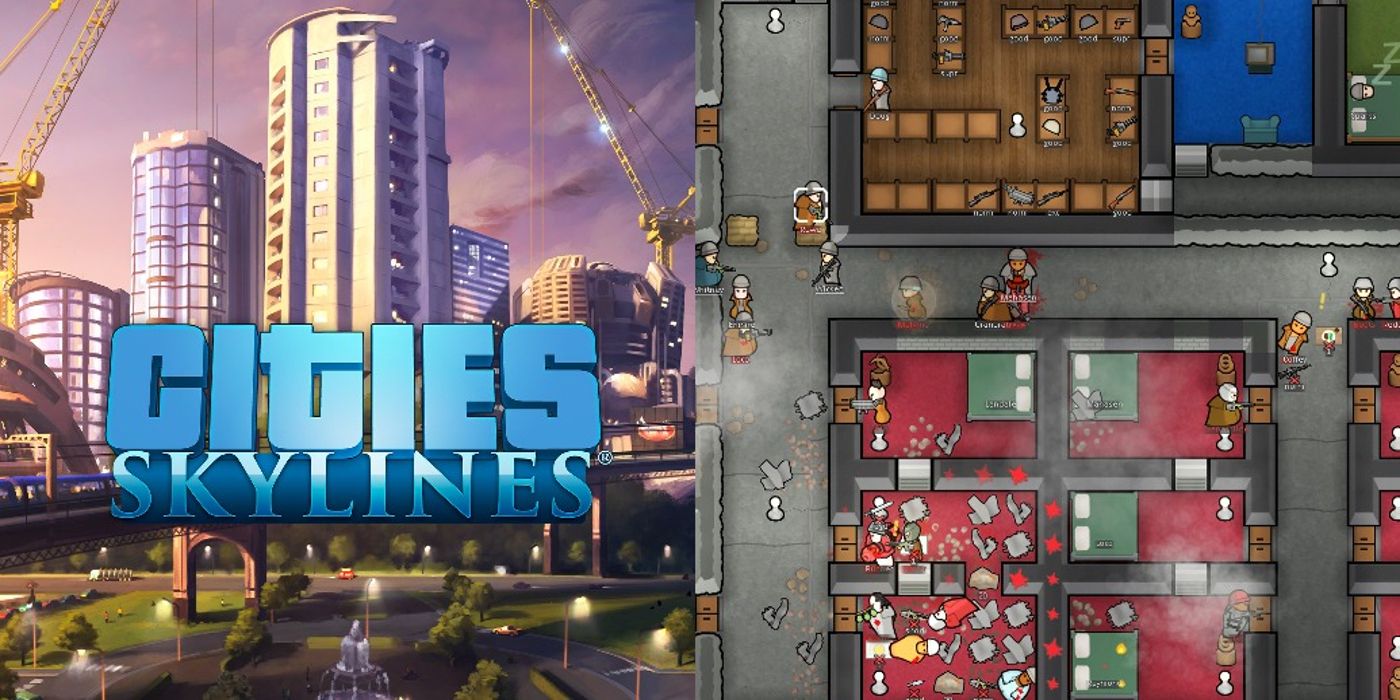
Lethis – Path of Progress Set in an industrial steampunk world, Lethis ties city growth to environmental degradation. Build factories to boost economy, but pollution erodes citizen happiness and causes long-term decay.
Realistic Use Case: You’ll face trade-offs similar to real 19th-century urban planners: prioritize jobs or public health? The game doesn’t offer easy answers.
Terra Nil This reverse city builder challenges you to erase human impact. Start with a barren landscape and rebuild ecosystems—reforest, restore rivers, reintroduce wildlife—then dismantle your own infrastructure.
Why It Matters: It’s one of the few games that reframes “development” as restoration. Perfect for players tired of endless expansion.
Workflow Tip: Sequence your biomes carefully. Deserts can’t support wetlands until water systems are in place. Think like an environmental engineer, not a mayor.
What Most Players Get Wrong About City Building
Even experienced players fall into traps. Here’s what separates functional cities from collapsing ones:
- Zoning imbalance: Overloading residential zones leads to unemployment and abandonment. Match housing with jobs and services.
- Ignoring transit hierarchy: Buses can’t handle metro-level volume. Use trams for mid-tier lines, metros for high-density corridors.
- Underestimating water flow: In games like Frostpunk or Surviving the Aftermath, misplacing wells or pumps can doom your city within hours.
- Skipping mods in Skylines: The base game is good—but tools like Traffic Manager: President Edition and Realistic Population transform it.
Pro Insight: Save early, save often. Many city builders feature cascading failures—fix a traffic jam late, and your power grid might already be compromised.
How to Choose the Right Game for Your Play Style
Not every city builder suits every player. Match your preferences:
- Want realism and control? → Cities: Skylines (with mods)
- Prefer narrative and urgency? → Frostpunk
- Enjoy low-pressure strategy? → Dorfromantik
- Fascinated by ecology? → Terra Nil
- Love historical settings? → City State or Lethis
Consider your preferred pace, depth, and stakes. There’s no “best” game—only the one that fits your mindset.
Final Verdict: Depth Over Gloss
The best Steam city building games don’t dazzle with graphics—they challenge your logic. Whether you’re routing trams in Skylines, rationing coal in Frostpunk, or healing a wasteland in Terra Nil, the real victory isn’t population milestones. It’s creating a system that survives, adapts, and sometimes, thrives against the odds.
Pick one that matches your tolerance for complexity. Start small. Learn from failure. Build something that lasts.
Frequently Asked Questions
What is the most realistic city building game on Steam? Cities: Skylines is the most realistic when enhanced with mods like Realistic Population, Advanced Vehicle Options, and economic rebalancers.
Is Cities: Skylines still worth playing in 2024? Yes—especially with mods. The community continues to support it heavily, even after the release of Cities: Skylines II.
Can I play city building games without stress? Absolutely. Games like Dorfromantik and Terra Nil offer relaxing, low-pressure experiences focused on strategy and aesthetics.
Which city builder has the best traffic simulation? Cities: Skylines remains the leader. Its traffic AI reacts to lane logic, turning preferences, and public transit usage in nuanced ways.
Are there city building games with multiplayer? Most are single-player, but Cities: Skylines has limited multiplayer via mods. True co-op city building remains rare.
What’s a good first city building game for beginners? Start with Dorfromantik or TheoTown—both have gentle learning curves and intuitive mechanics.
How important are mods in city building games? Critical for depth. In Cities: Skylines, mods fix core issues and add features the base game lacks—like realistic traffic and detailed zoning.
FAQ
What should you look for in Best Steam City Building Games for Urban Strategy Fans? Focus on relevance, practical value, and how well the solution matches real user intent.
Is Best Steam City Building Games for Urban Strategy Fans suitable for beginners? That depends on the workflow, but a clear step-by-step approach usually makes it easier to start.
How do you compare options around Best Steam City Building Games for Urban Strategy Fans? Compare features, trust signals, limitations, pricing, and ease of implementation.
What mistakes should you avoid? Avoid generic choices, weak validation, and decisions based only on marketing claims.
What is the next best step? Shortlist the most relevant options, validate them quickly, and refine from real-world results.