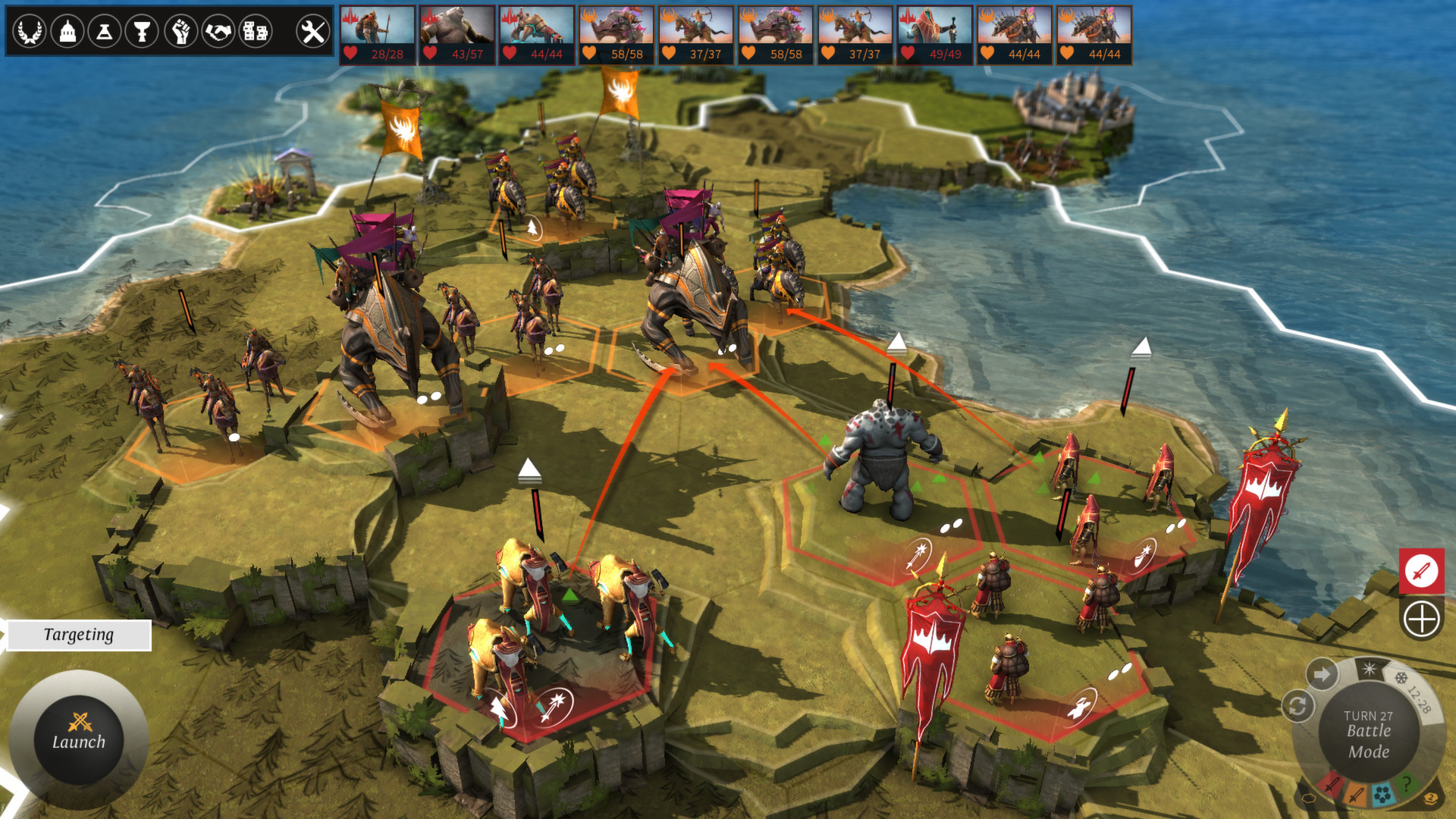
Most players lose their first major battle. Not because they miscalculated troop strength—but because they underestimated the depth of decision-making in PC strategy games. These titles don’t reward reflexes; they reward foresight, adaptation, and patience. Whether you’re managing empires across centuries or orchestrating real-time skirmishes with precision, the best strategy games on PC demand more than just attention. They demand intelligence.
This isn’t about mindless base-building or copy-pasting tactics. The games that last—the ones players return to year after year—reward creativity, punish oversight, and evolve with each playthrough. From grand-scale 4X epics to tactical turn-based combat, here’s a breakdown of the genre’s most impactful experiences and how to get the most from them.
---
Why PC Remains the Ultimate Platform for Strategy Games
Consoles favor action. PCs dominate strategy. The reason? Input precision, multitasking capability, and mod support. Managing dozens of units across sprawling maps requires mouse-driven micro-control, keyboard shortcuts, and screen real estate—tools that PCs offer better than any other platform.
Take Total War: Pharaoh. On console, commanding thousands of troops across dynamic battlefields feels clunky. On PC, with hotkeys mapped and unit formations adjusted in real time, it becomes a symphony of control. The same applies to economic management in Civilization VI—balancing city production queues, diplomatic relations, and research trees is far smoother with a full keyboard and dual monitors.
Plus, the modding community on PC breathes new life into aging titles. Crusader Kings III thrives thanks to mods that overhaul map details, add historical accuracy, or introduce entirely new gameplay mechanics. No other platform sustains strategy games this long.
---
Real-Time Strategy: Tactics at the Speed of Thought
Real-time strategy (RTS) games force you to think—and act—under pressure. Unlike turn-based games, hesitation costs resources, territory, and momentum. The best RTS titles blend resource management, unit composition, and map control into a high-stakes puzzle.
StarCraft II: The Gold Standard
StarCraft II remains the benchmark. Its three asymmetrical factions—the Terrans, Zerg, and Protoss—require completely different strategies. Terrans rely on adaptability and repair mechanics, Zerg on swarm tactics and rapid expansion, and Protoss on superior tech and energy-based units.
A common mistake among beginners? Over-scouting early and under-scouting mid-game. Knowing enemy build orders is crucial, but so is predicting tech transitions. An experienced player doesn’t just react—they anticipate.
Pro tip: Use control groups religiously. Assign armies, workers, and production buildings to dedicated number keys. In a 1v1 match, the difference between victory and defeat often comes down to who can shift forces fastest.
Age of Empires IV: History
with Depth
Age of Empires IV modernizes a classic franchise with layered economic systems and historically grounded civilizations. The game rewards players who understand historical context—like how the English longbowmen dominate open-field engagements but falter in forests.
One underused strategy? The “feudal rush” with the French. By skipping early military units and focusing on rapid villager production, you can overwhelm opponents before they establish proper defenses. It’s risky, but in skilled hands, it’s devastating.
---
Turn-Based Strategy: Where Every Move Matters
Turn-based strategy (TBS) games give you time to think—but that doesn’t make them easier. The pressure shifts from speed to precision. One wrong move can cascade into defeat over several turns.
Civilization VI: Empire-Building
Perfected
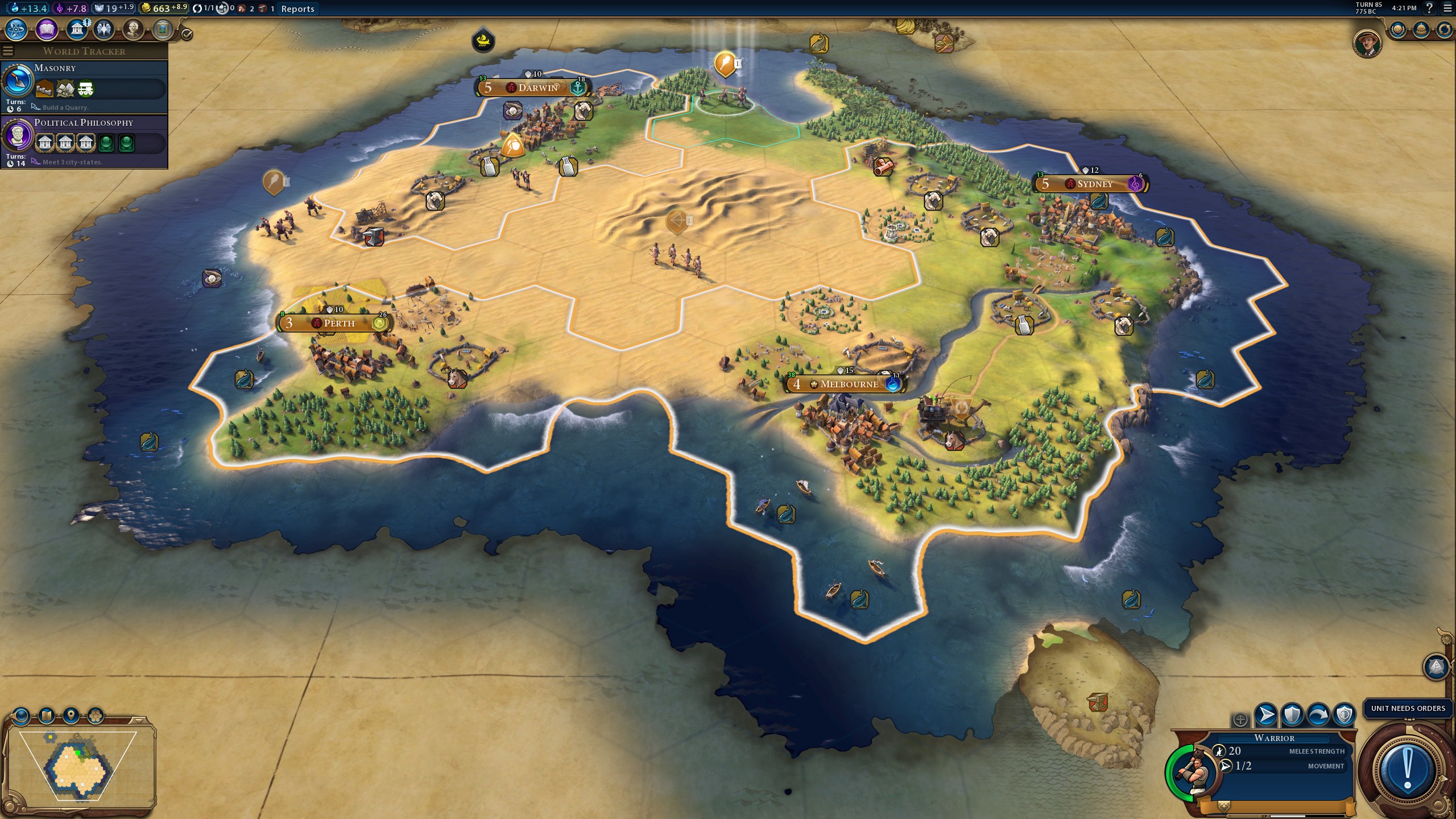
Building a civilization from the Stone Age to the Information Era is a marathon, not a sprint. Many players hyper-focus on military conquest early, only to collapse under unhappiness or economic strain later.
Instead, prioritize balanced growth: - Build districts based on terrain bonuses (e.g., Campus near mountains for science). - Use city-states for strategic alliances and resource access. - Time wars carefully—declare on weakened neighbors, not during a golden age.
A subtle but effective tactic? Use spies to steal policy cards or sabotage projects. In multiplayer, a well-placed spy can delay an opponent’s spaceship launch by several turns—long enough for you to catch up.
XCOM 2: Survival Through Strategy
XCOM 2 blends tactical combat with base management and permadeath consequences. Mistakes are punished hard. Lose a high-level soldier? You’re not just down firepower—you’ve lost hours of progression.
Key strategies: - Never end a turn without overwatch. - Use elevation for cover and damage bonuses. - Balance research priorities—don’t ignore psionics until it’s too late.
One common error? Rushing objectives. The game encourages probing, flanking, and controlled aggression. A squad that advances without securing cover or support roles won’t survive late-game missions.
---
Grand Strategy: Control Nations, Not Just Armies
Grand strategy games simulate entire nations, economies, and diplomatic systems. They’re complex, often intimidating—but deeply rewarding.
Crusader Kings III: Dynasty Over
Battlefield
Forget winning wars—Crusader Kings III is about surviving politics, marriage, and succession. Your character’s traits, relationships, and health matter as much as military strength.
Example: A weak ruler with “Incel” and “Drunkard” traits will struggle to maintain control, even with a powerful army. Meanwhile, a charismatic schemer can manipulate vassals, arrange marriages, and stage coups without drawing a sword.
Workflow tip: Use the event log and relationship webs regularly. They reveal hidden tensions—like a discontented duke plotting rebellion—that can ruin your reign if ignored.
Hearts of Iron IV:
War on a Global Scale
Hearts of Iron IV lets you rewrite World War II. Play as any nation, from major powers to obscure minors, and steer history through diplomacy, espionage, or total war.
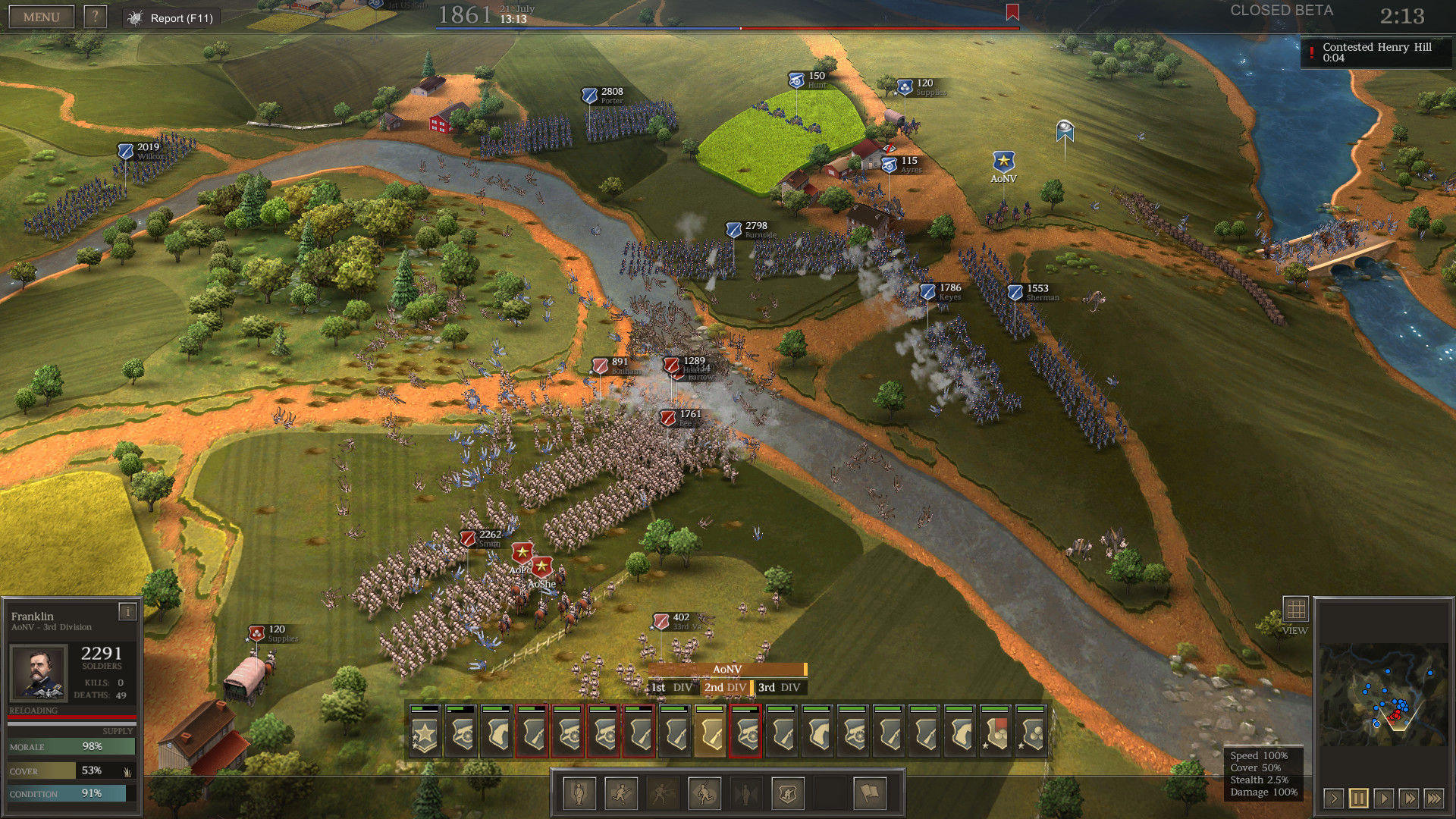
Beginners often overextend. Invading France is easy; holding it with partisan uprisings, supply shortages, and air raids is another story. Instead, secure supply lines first—build infrastructure, assign logistics companies, and maintain stockpiles.
A pro-level tactic? Use “soft power” nations like Turkey or Sweden to supply parts of your war machine while staying neutral. With trade modifiers and political favors, you can fuel your war effort without direct conflict.
---
Top 5 PC Strategy Games to Play Right Now
These titles represent the peak of the genre, each offering unique depth and long-term replayability.
| Game | Type | Why It Stands Out |
|---|---|---|
| Crusader Kings III | Grand Strategy | Unmatched depth in character and political simulation |
| StarCraft II | RTS | Competitive balance and high-skill ceiling |
| Civilization VI | 4X Turn-Based | Accessible yet endlessly deep empire-building |
| Total War: Pharaoh | Hybrid RTS/TBS | Real-time battles meets turn-based campaign |
| Into the Breach | Tactical TBS | Minimalist design with maximum strategic consequence |
Each of these offers a different flavor of strategy—whether you want to manipulate medieval nobles or pilot mechs in time-loop battles.
---
Strategy Game Pitfalls (And How to Avoid Them)
Even experienced players fall into traps. Recognizing them is half the battle.
- Overexpansion: Claiming too much territory too fast leads to unrest, slow armies, and economic collapse. Solution: Expand only when you can defend and administer new lands.
- Ignoring Diplomacy: In games like Stellaris or Europa Universalis IV, allies can make or break your campaign. Don’t treat diplomacy as an afterthought.
- Micromanaging Everything: Trying to control every unit manually burns out players and slows decision-making. Use automation for economy and set patrol zones for armies.
- Sticking to One Playstyle: Always playing military victory in Civilization? Try cultural or scientific wins. Variety builds strategic flexibility.
---
How to Get Better at Strategy Games
Improvement isn’t just about playing more—it’s about playing smarter.
- Review Your Games: Use replays in StarCraft II or save scumming (for learning) to analyze mistakes.
- Learn Build Orders: In RTS games, standardized opening sequences give you a stable foundation.
- Join Communities: Subreddits like r/strategygames or Discord servers offer tips, challenges, and mod updates.
- Start on Lower Difficulty: Master mechanics before cranking up AI aggression.
- Play Different Subgenres: Experience from a 4X game can improve your long-term planning in RTS titles.
---
Final Move: Choose Your Battlefield
The best PC strategy games don’t just entertain—they train your mind. Whether you’re outmaneuvering enemies in real time or plotting dynastic takeovers over decades, these games sharpen decision-making, patience, and adaptability.
Pick one that matches your thinking style. Like fast-paced conflict? Try StarCraft II. Prefer deep simulation? Dive into Crusader Kings III. Then refine your approach, learn from losses, and play again.
In strategy gaming, every defeat is just data for the next victory.
---
Frequently Asked Questions
What are the best free PC strategy games? War Thunder (combined arms), Zero-K (RTS), and Freeciv (Civilization-like) offer deep gameplay at no cost.
Are strategy games good for your brain? Yes—studies show they improve problem-solving, planning, and cognitive flexibility.
Which strategy game has the steepest learning curve? Hearts of Iron IV and Crusader Kings III are notoriously complex but rewarding with time.
Can you play most strategy games with a controller? Some support it, but mouse and keyboard are strongly recommended for precision and speed.
How important are mods in PC strategy games? Crucial. Mods extend lifespan, fix balance issues, and add new content (Stellaris and Civilization V thrive on them).
Do multiplayer strategy games still have active communities? Yes—StarCraft II, Age of Empires IV, and Total War titles maintain strong online player bases.
What’s the difference between 4X and grand strategy? 4X (eXplore, eXpand, eXploit, eXterminate) focuses on empire growth; grand strategy emphasizes political, economic, and diplomatic systems.